Setting up a business in the UK as an expat can be an exciting venture, but one crucial step often overlooked is establishing the right business bank account. A suitable UK business bank account isn’t just a convenience; it’s a necessity for legitimate operations, seamless transactions, and effective financial management. This guide will walk you through the essential considerations and types of accounts that could best serve your needs as an expat entrepreneur.
Why a UK Business Bank Account is a Must-Have for Expats
For expats running a business with UK ties, having a dedicated UK business bank account offers numerous advantages that go beyond simple financial transactions:
- Legitimacy and Compliance: It clearly separates personal and business finances, crucial for tax purposes and regulatory compliance within the UK.
- Streamlined Operations: Managing UK-based income and expenses becomes much simpler, avoiding currency conversion issues and delays that can arise from international transfers.
- Access to UK Market Tools: Many UK suppliers, payment processors, and financial services require a UK bank account for integration, ensuring you can fully participate in the local economy.
- Professionalism: It enhances your business’s credibility with clients, suppliers, and investors who prefer dealing with locally banked entities.

Essential Features Expats Should Look For
When choosing a UK business bank account, not all options are created equal, especially for expats. Keep an eye out for these key features:
Easy Remote Account Opening
Many traditional banks can make opening an account challenging without a physical UK address or extensive in-person verification. Look for banks that offer a streamlined online application process, often requiring minimal physical presence. Digital-first banks are typically strong contenders here.
Low or Transparent Fees
Business bank accounts come with various fees, including monthly maintenance, transaction charges, and international transfer costs. As an expat, you might frequently deal with international payments, so pay close attention to foreign exchange rates and transfer fees. Transparency is key; avoid hidden costs.
Multi-Currency Capabilities
If your business deals with international clients or suppliers, an account that supports multiple currencies can save you significant money on conversion fees. Some banks offer dedicated multi-currency accounts or competitive exchange rates.
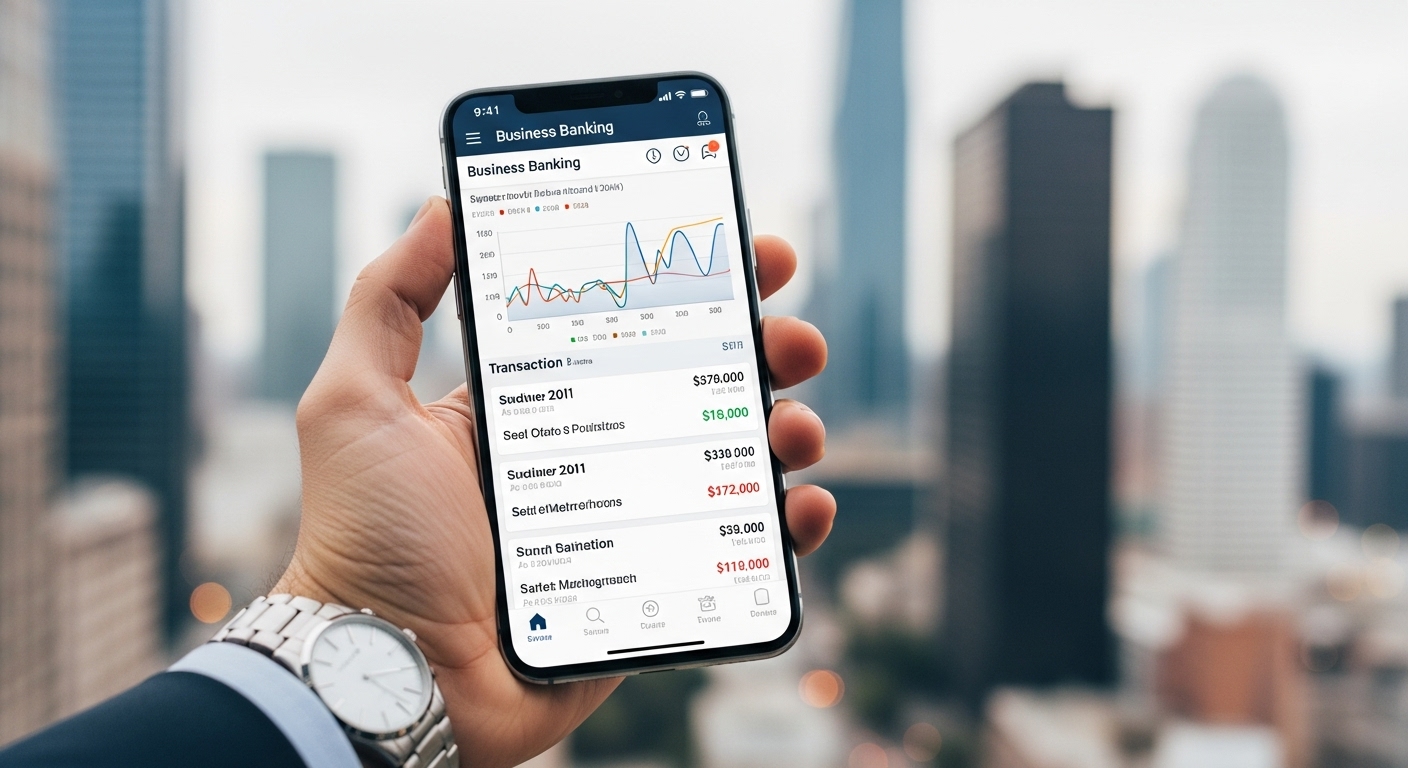
Excellent Online & Mobile Banking
Given that you might be managing your business from abroad or on the go, a robust and intuitive online banking platform and a feature-rich mobile app are indispensable. Look for 24/7 access, easy payment capabilities, expense tracking, and strong security features.
Dedicated Customer Support
Having accessible and responsive customer support, ideally available across different time zones, is vital. You’ll want to ensure you can get help when you need it, regardless of where you are in the world.

Top Contenders: Types of UK Business Accounts for Expats
While specific bank recommendations can change, understanding the types of accounts best suited for expats is more enduring:
Digital Challenger Banks
These banks (sometimes called ‘neobanks’ or ‘fintech’ banks) are often excellent choices for expats. They typically operate entirely online, offering quick setup processes, intuitive mobile apps, and often more competitive fees for international transactions. They are usually designed with modern entrepreneurs in mind and can be more flexible with non-UK resident applications, though they will still require robust identity verification. Examples often include modern features like spending insights and integration with accounting software.
Traditional High Street Banks
Larger, established banks like HSBC, Barclays, or Lloyds offer a wide range of services, including physical branches and more complex financial products (e.g., business loans). However, opening an account can be more challenging for expats, often requiring proof of a UK address or an in-person visit. Fees might also be higher, and their digital offerings can sometimes be less agile than those of challenger banks. They might be more suitable if you have a significant physical presence or complex traditional banking needs in the UK.
Important Considerations Before Applying
Before you dive into applications, ensure you have the necessary documentation. This typically includes:
- Proof of Identity: A valid passport or national ID.
- Proof of Business Registration: Documentation showing your company is registered with Companies House (if applicable).
- Proof of Address: This can sometimes be the trickiest part for expats. Some banks accept international utility bills or bank statements, while others might insist on a UK residential address, even if it’s a virtual office address for your business.
- Understanding KYC/AML: Be prepared for Know Your Customer (KYC) and Anti-Money Laundering (AML) checks, which are standard for all financial institutions.
Choosing the right UK business bank account is a pivotal decision for any expat entrepreneur. By focusing on accounts that offer remote accessibility, transparent fees, multi-currency support, and excellent digital tools, you’ll be well on your way to seamlessly managing your UK business finances.
